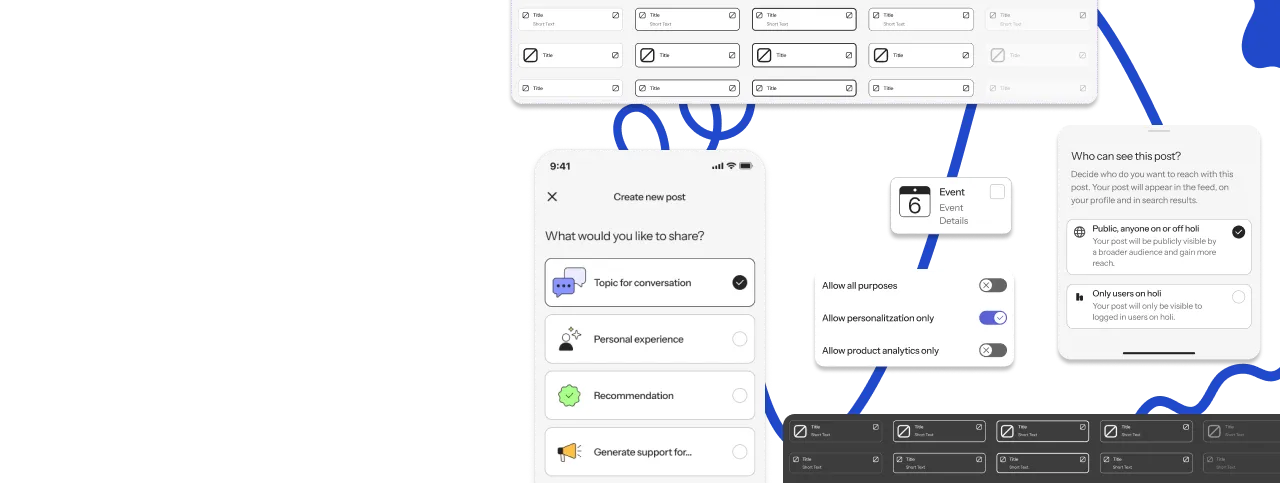
A Challenging Feature
While user insights provided direct guidance on feature usability, internal team members also had strong perspectives on functionality and design based on their expertise and project goals.
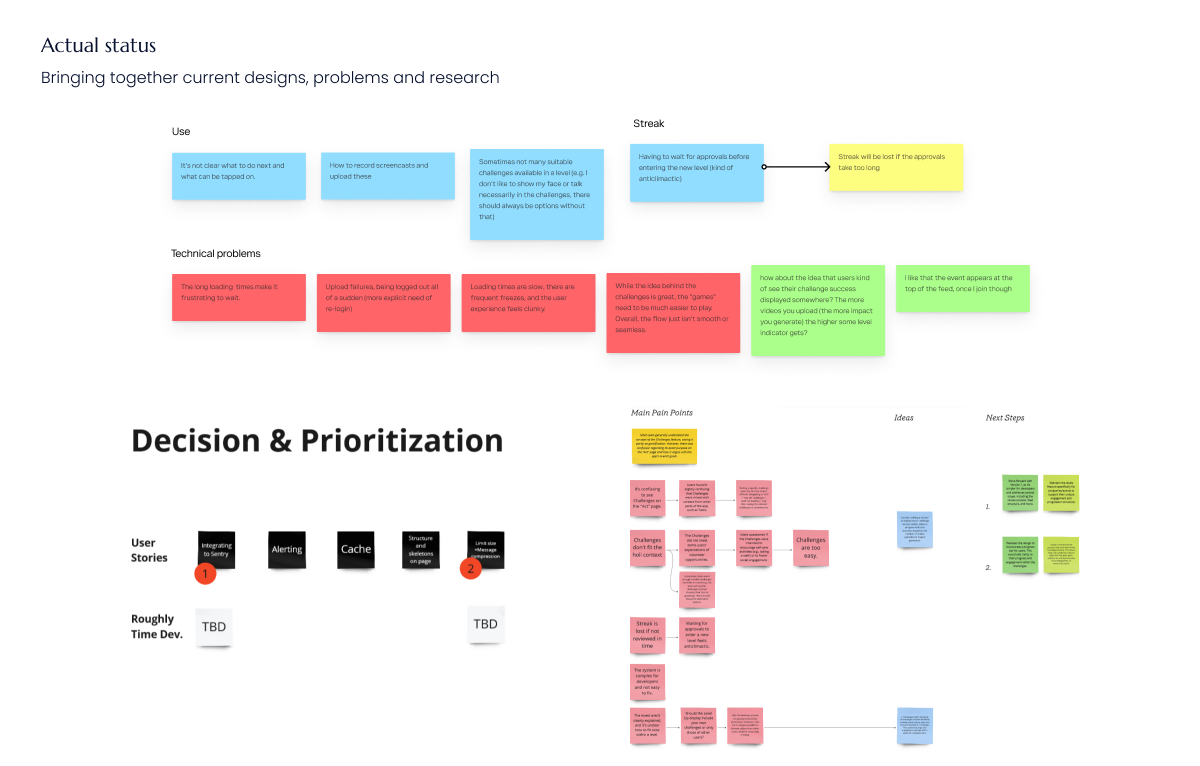
Managing these inputs required tact to ensure all valuable perspectives were considered without allowing the process to become overly complex or deviating from the core objectives.
CHALLENGE
Balancing Diverse Feedback
Integrating feedback from both end-users and team members was essential, but opinions varied significantly.
Approach
The feature was testet within a usability testing, where I observed users interacting with the prototype to identify friction points and usability issues. The testing sessions provided actionable insights on how users navigated the feature and what elements could be optimized to improve the user experience.
Approach
User Research and Feedback Gathering
I initiated user interviews and surveys to understand how the feature could address real user needs.
6 stakeholders form different backgrounds
At the “Usability Testessen” in Hamburg
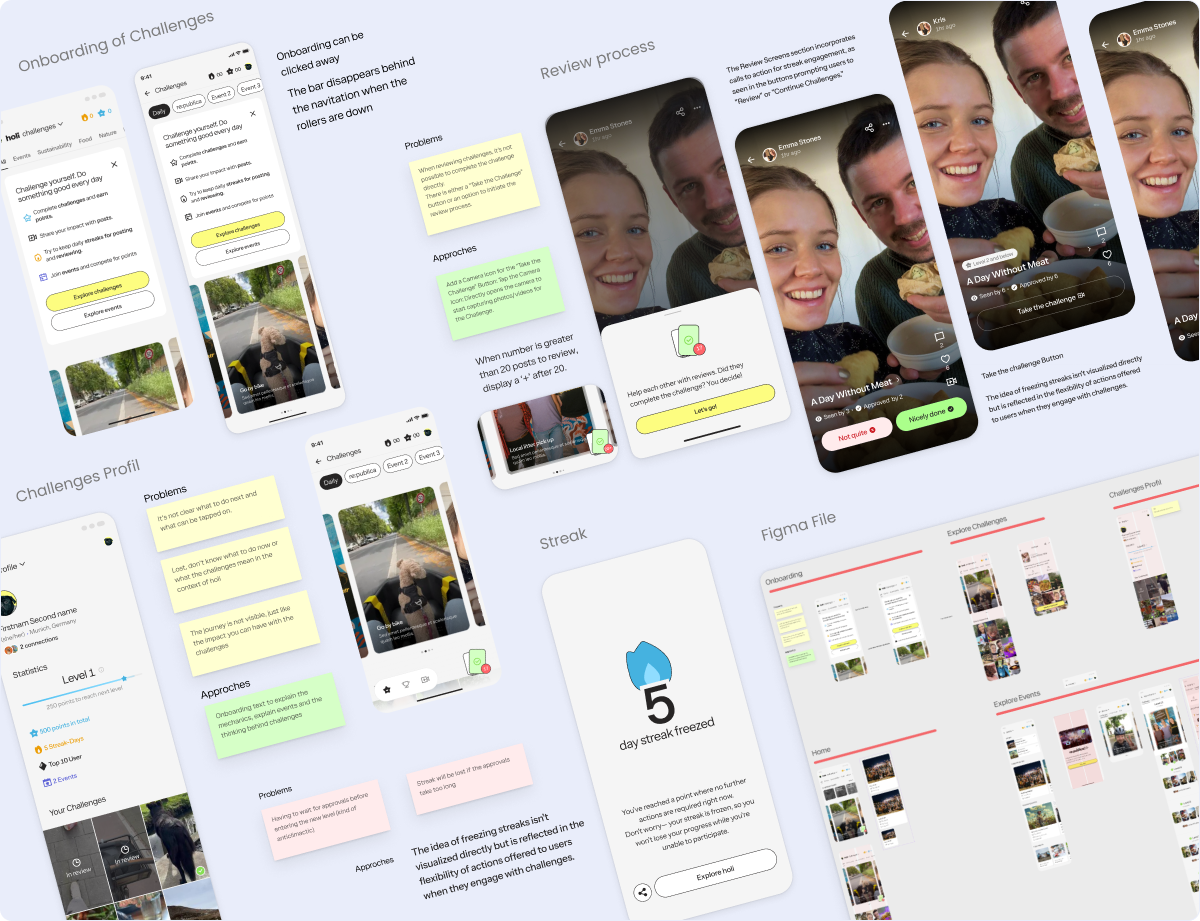
After conducting the usability tests, a comprehensive review of all design files in Figma was undertaken. The aim was to address the most significant issues identified in the testing phase by combining elements from both version 1 and version 2 of the feature.
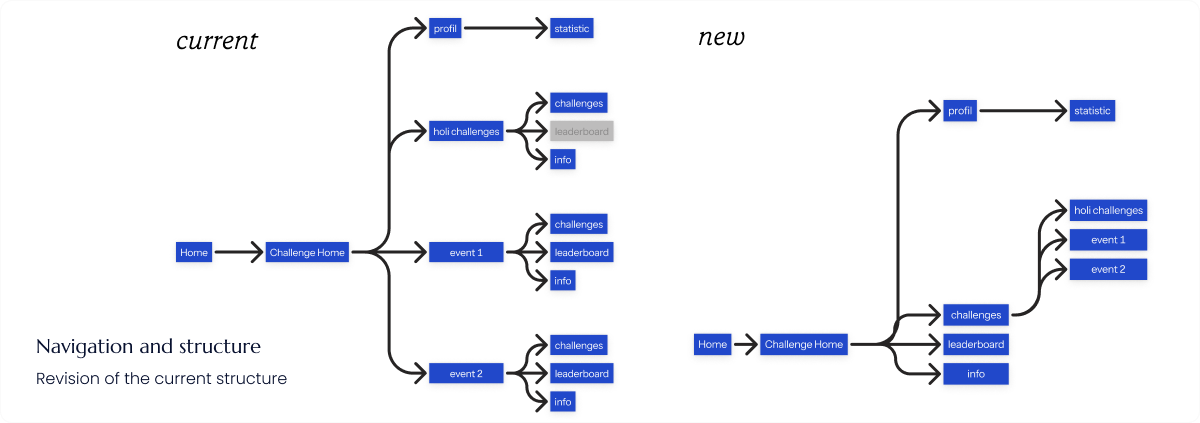
Key elements from V1 were prioritized to simplify the code structure, which improved the developers’ ability to implement the design efficiently. V2’s updated user interface components were then integrated to address the usability issues highlighted during testing.
Additional Work
I joined the team with the objective of identifying recurring elements and enhancing the existing component library. The goal was to bring further structure and consistency to the design system by refining and improving existing components.
Approche #1
Refining and Enhancing Components
Rather than creating new components from scratch, we focused on revisiting and improving existing ones based on feedback from usability tests.
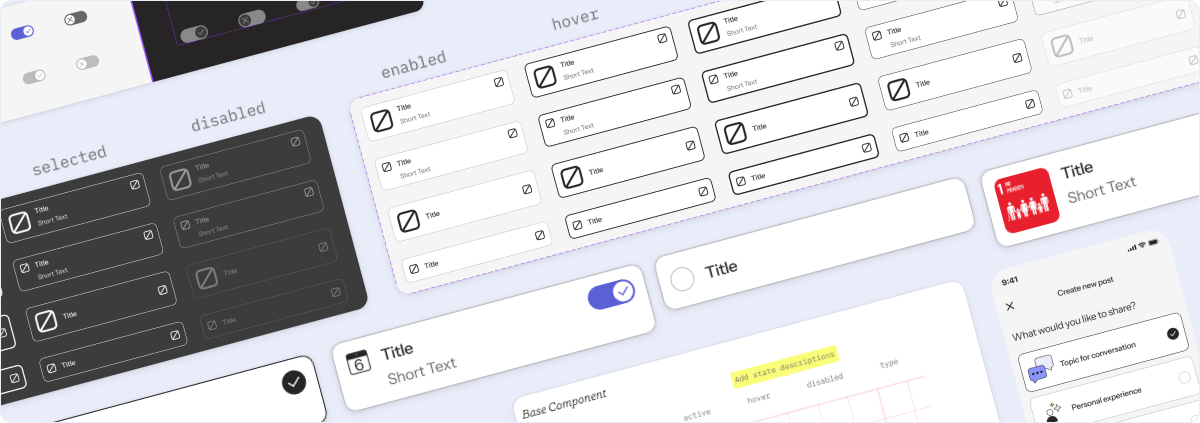
This allowed us to address gaps and refine functionality within the current component library, adapting elements as needed to improve flexibility across different features and ensure they worked seamlessly in various contexts.
Approche #2
Improving Flows
In response to frequent bugs and inconsistencies, I worked closely with developers to identify root issues within the existing components and make necessary improvements.
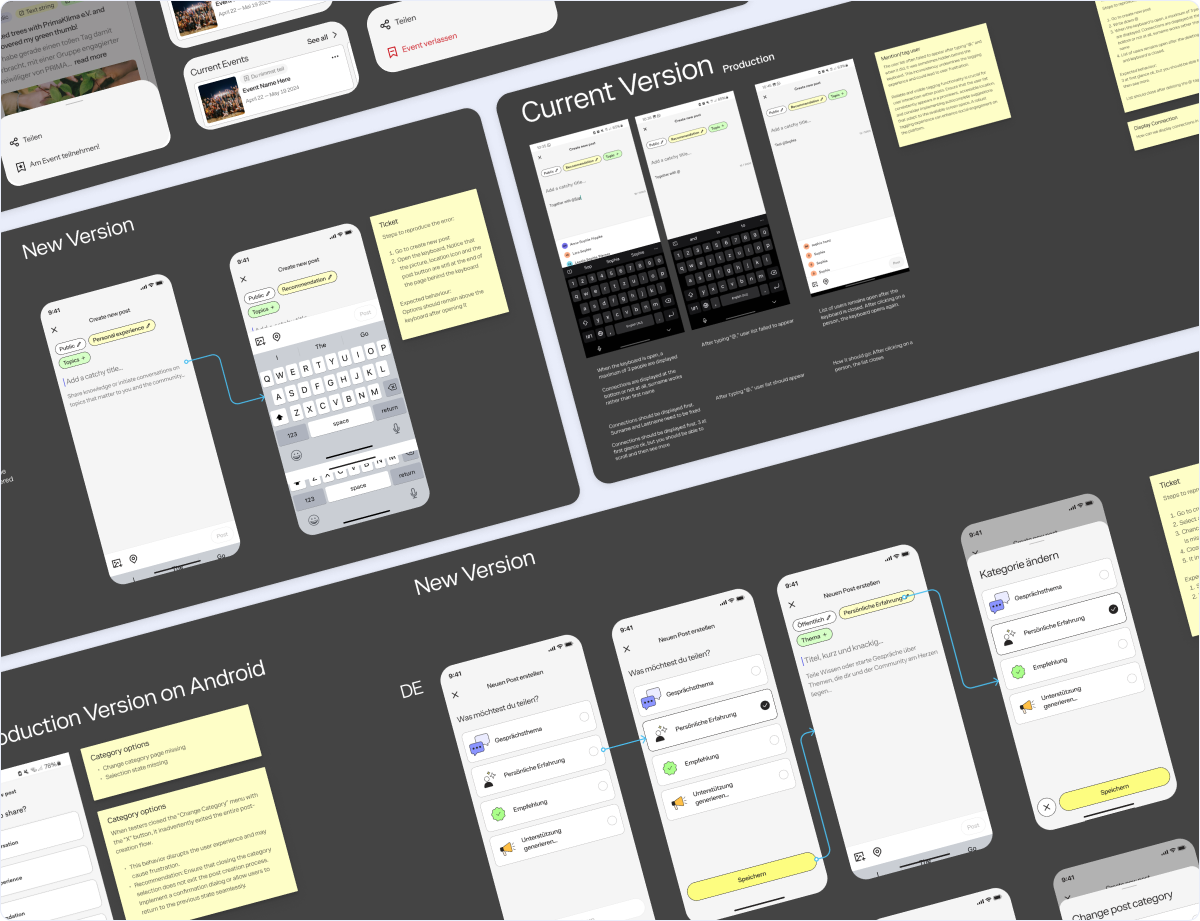
Similar usability tests were also performed on the post creation functionality to maintain consistency in user experience across the platform.
6 stakeholders form different backgrounds
At the “Usability Testessen” in Hamburg
Learnings
Learning #1
Acknowledging prior work
Acknowledging prior work and contributions from all parties fostered a collaborative environment, allowing us to avoid redundant efforts and build a more cohesive feature.
Learning #2
Managing and prioritizing feedback
Managing and prioritizing diverse feedback is essential for a balanced outcome that respects both user needs and internal expertise.
Note
Following my time with Netlight, I continued to work on this project in my role as a working student at Holi, where I carried the project through to completion. Additional responsibilities during my time at Netligth while Holi was my client.