Challenges
The aim of this work is to develop an effective system that standardizes, streamlines, and enhances the reservation and borrowing process at IMIS. The foundation for the reservation tool is provided by the asset management software Snipe-IT, which is already in use at IMIS.
CHALLENGE #1
Lack of asset visibility
There was no central overview of available assets for both students and research staff member.
CHALLENGE #2
Inconsistent processes
Different and unclear borrowing procedures across research groups led to inefficiencies.

Approach
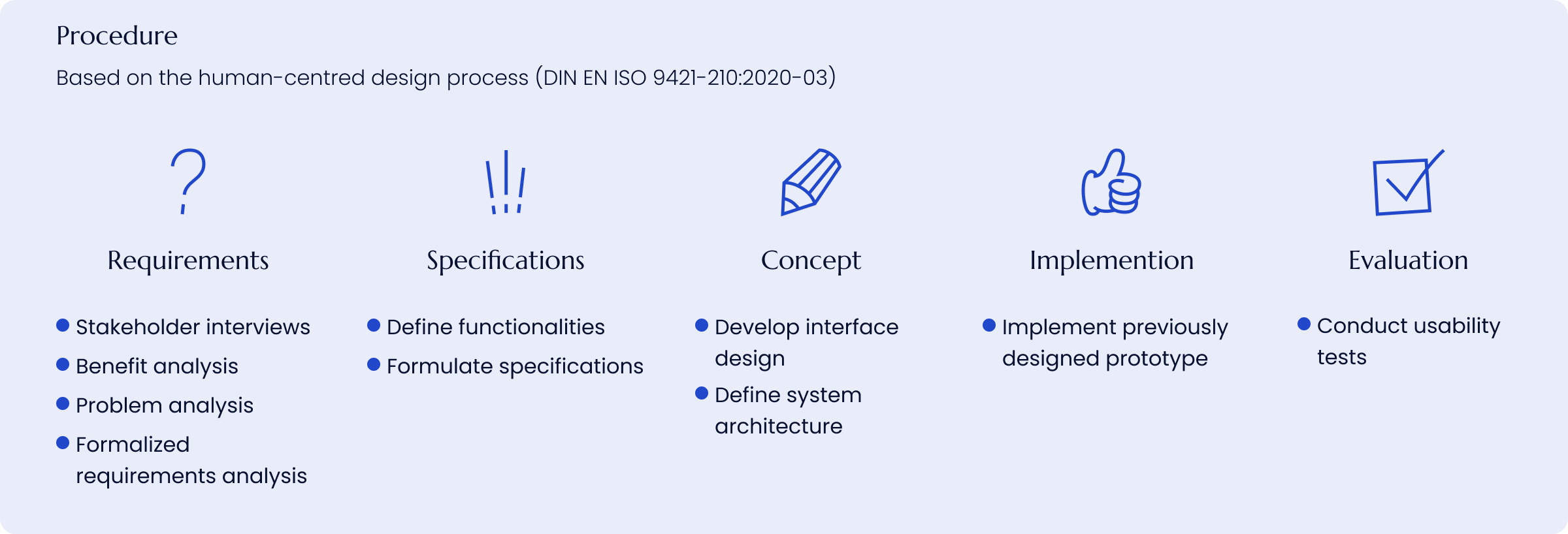
To develop an asset reservation tool, research questions were explored regarding the central challenges of the current asset planning and reservation process for employees and students, and the requirements that a system should meet to address and reduce these challenges.
APPROACH #1
User-Centered Design Process
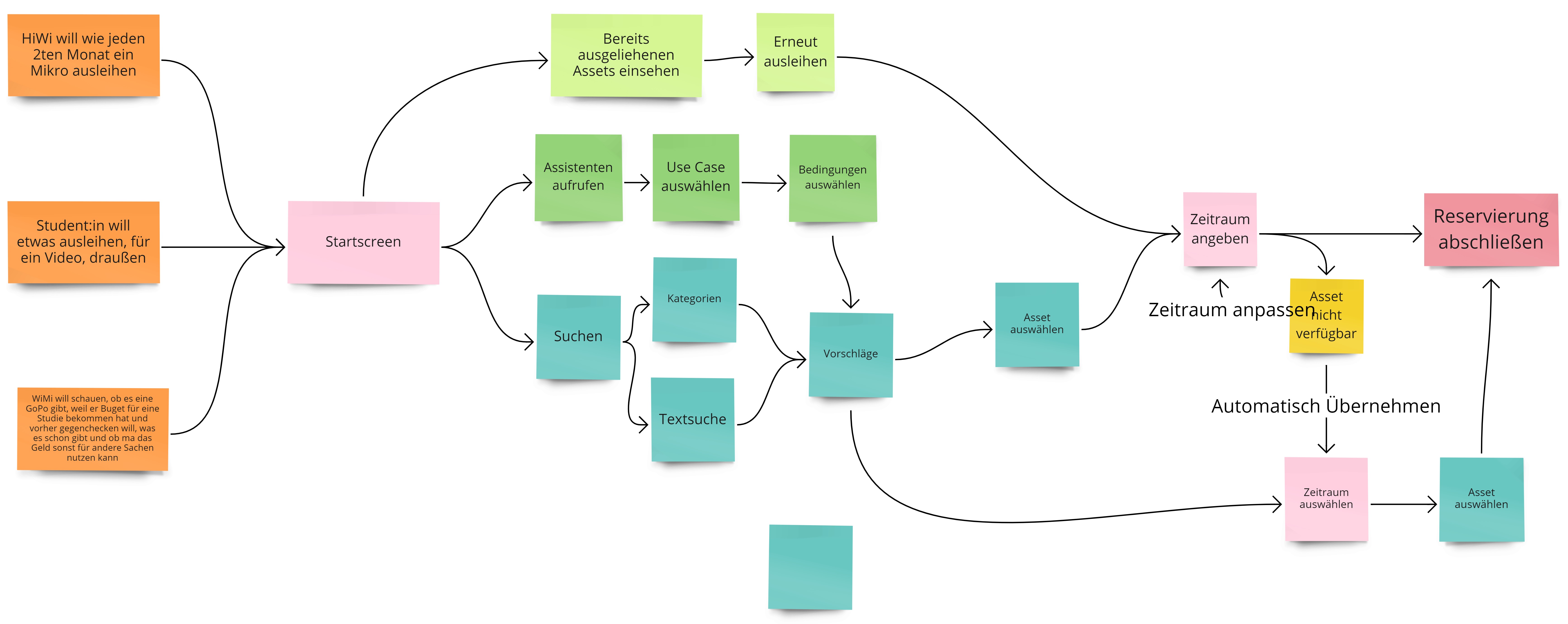
Following a human-centered design approach, I conducted user research and needs analysis through interviews with stakeholders, which helped define the requirements for the reservation tool.
In this work, systematically standardized requirements for such a reservation tool were developed based on users, tasks, and context, and captured in a formalized requirements analysis.
APPROACH #2
Agile and Iterative Development
I used an iterative design and development process, continuously refining the tool based on user feedback to ensure a better user experience.
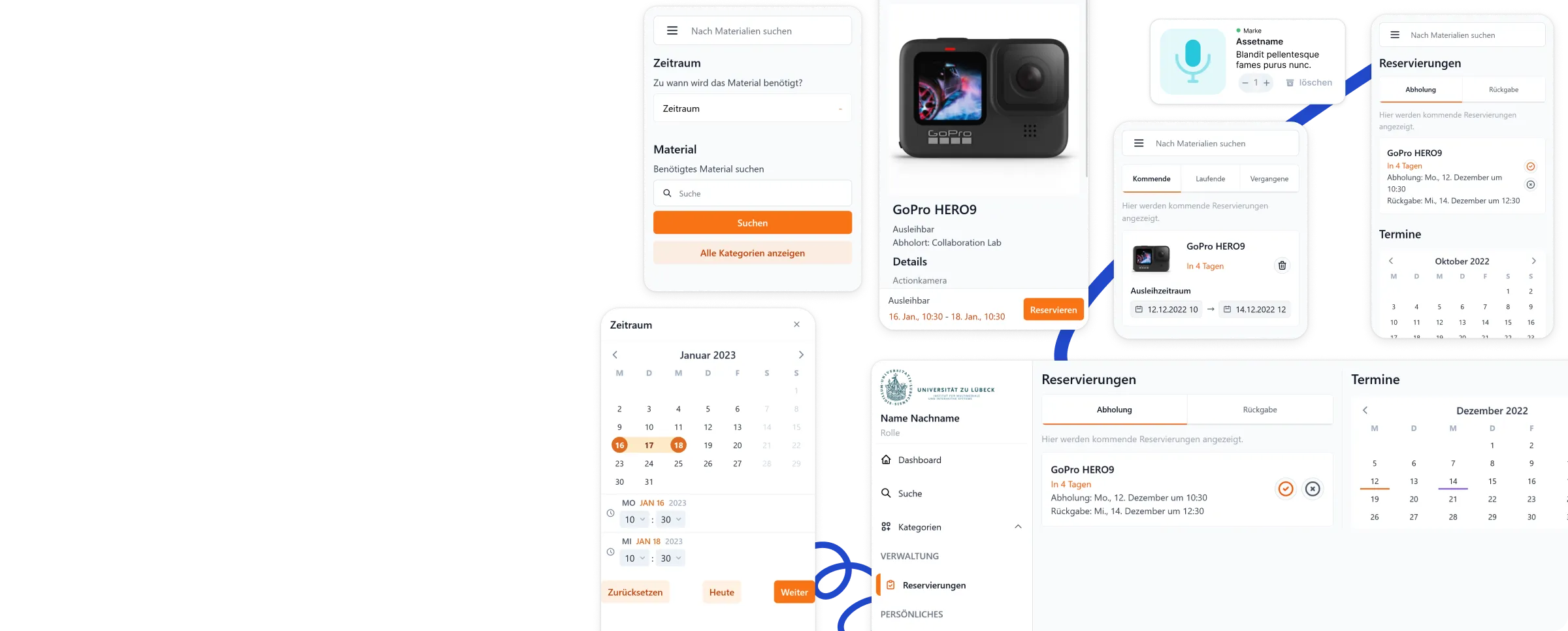
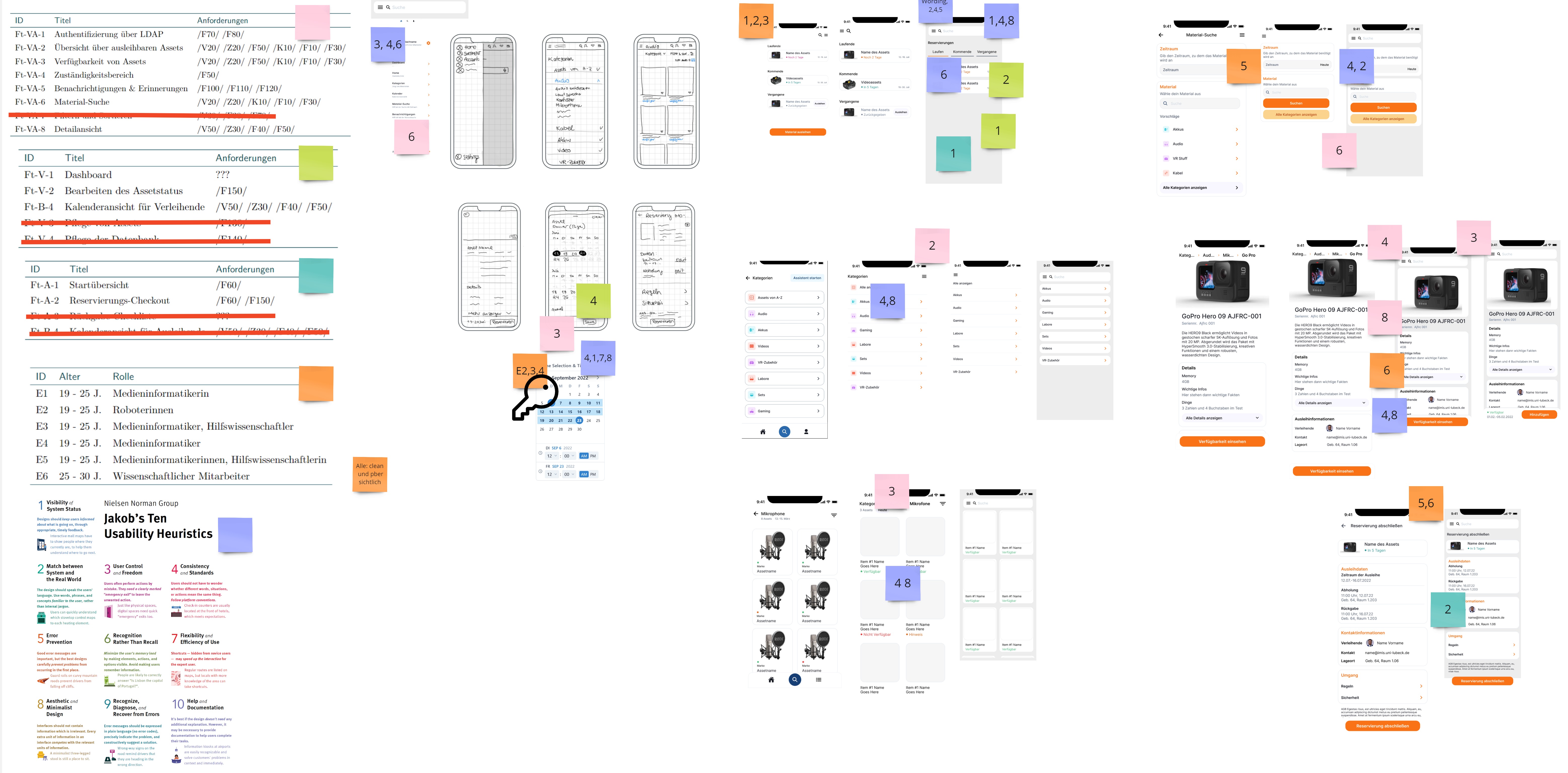
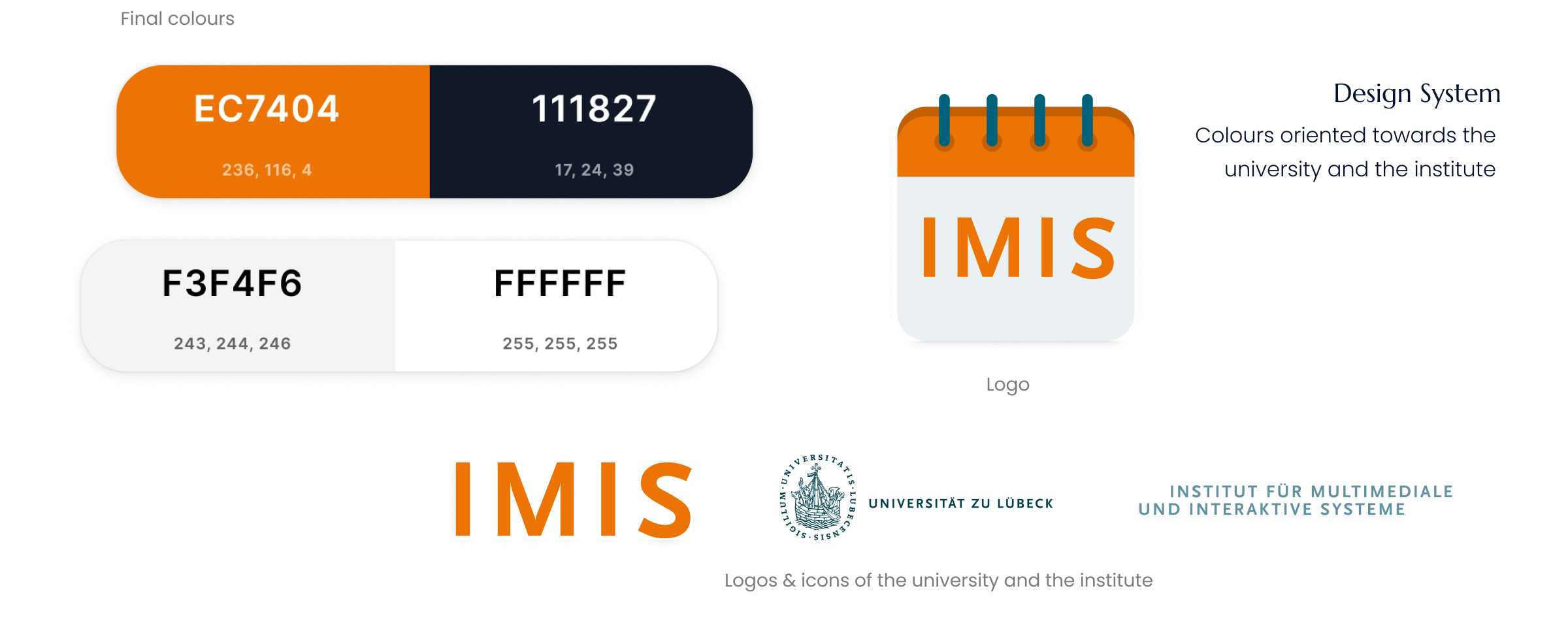
An extensive design system was developed using Figma, which included detailed components, layouts, and interactions. The design system ensured visual and functional consistency throughout the tool, while also enabling rapid adjustments during the design phase.
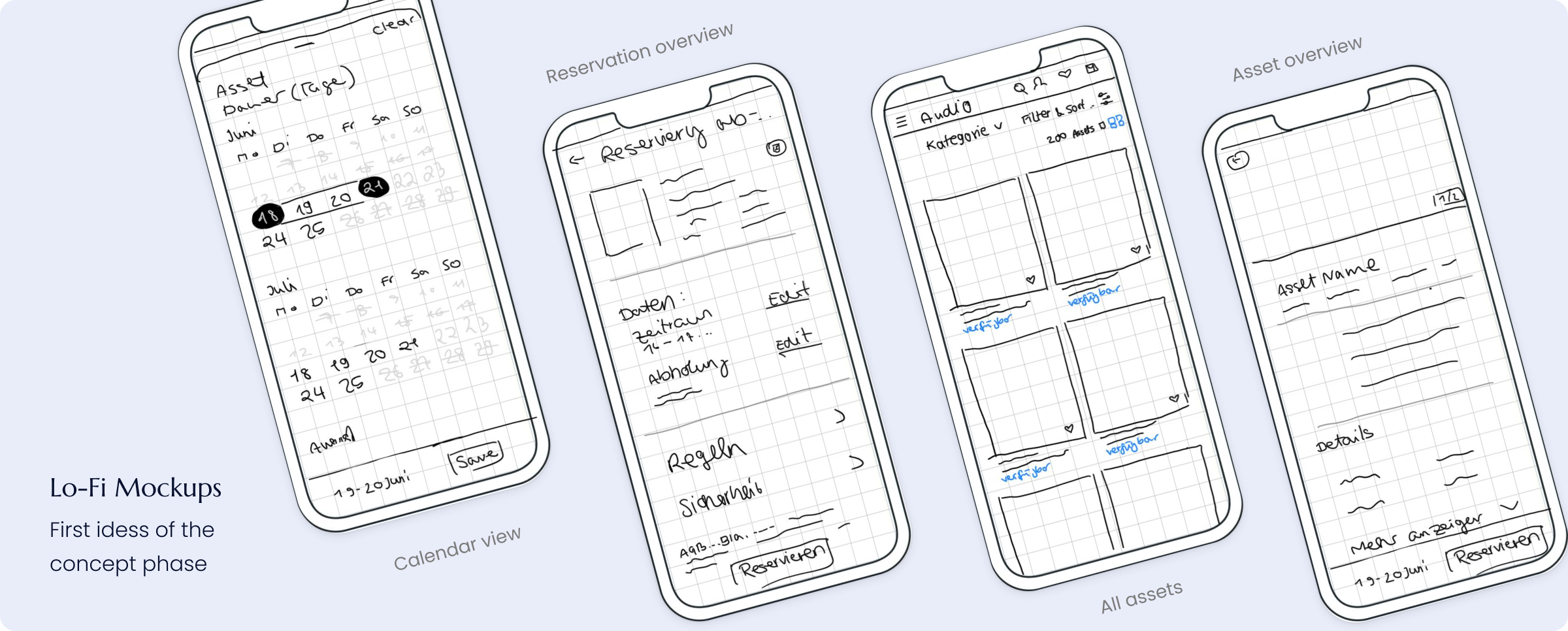
The Figma prototypes were then used for iterative testing, allowing stakeholders to interact with the system and provide feedback at different stages of development. This approach significantly improved the usability and alignment of the tool with the needs of the users.
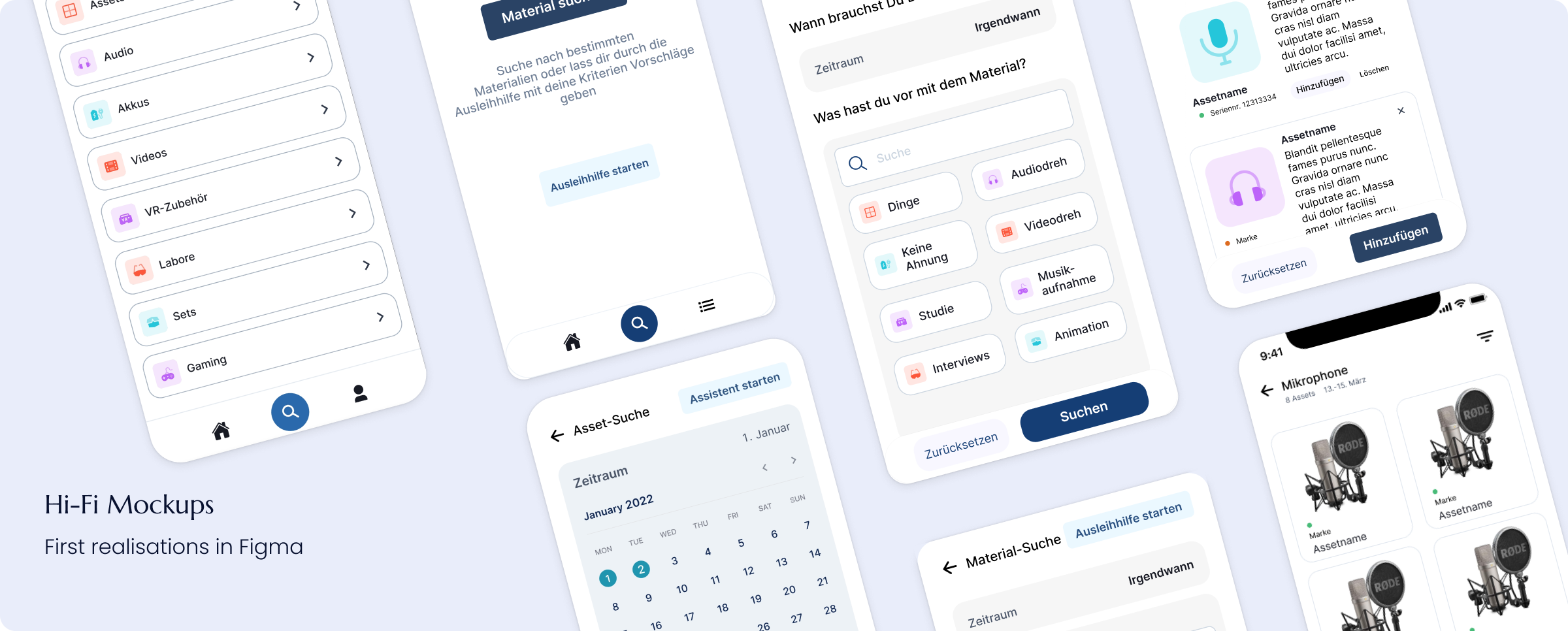
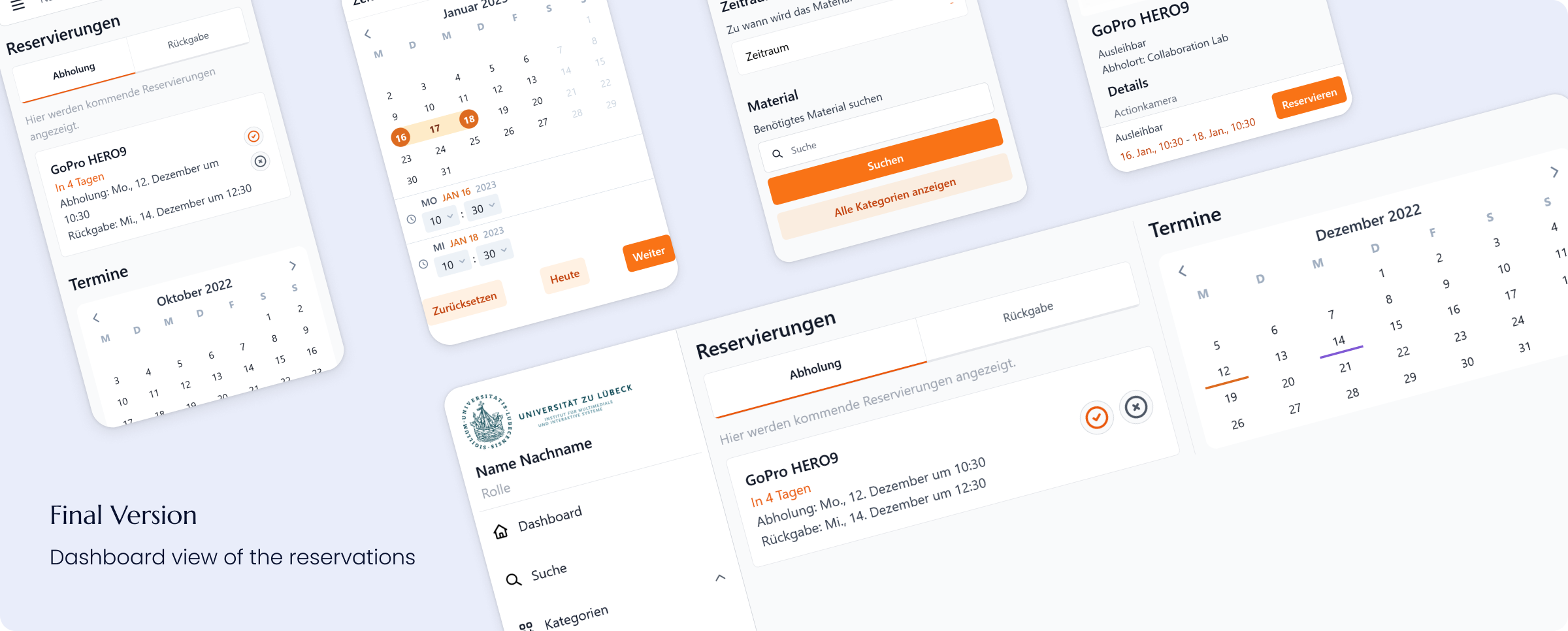
Parts of the concept were realized in the form of a technologically mature prototype, incorporating the Figma designs into the final interface. The evaluation of the prototype demonstrated that such a system is perceived as supportive, providing a more efficient and structured way to manage the borrowing of assets.
Technology Stack
For the frontend, I used Vue.js to create an intuitive interface. Fastify served as the backend framework due to its flexibility and plugin support, while SQLite was chosen as the database for its simplicity and ease of use. The Prisma ORM was integrated to simplify database management.
Personal Key Learings
LEARNING #1
Efficiency through standardization
A unified system with a clear overview and reservation options significantly improved efficiency.
LEARNING #2
User-centered design
Collaborating closely with users throughout the process ensured that the solution was tailored to their needs and well-received.
The project received a grade of 1.0, demonstrating how user-centered design and the right technology choices can greatly improve internal processes.