
Research
Research Questions #1
What are the key challenges for researchers without direct access to users during the analysis phase (in the context of Ability-Based Design)?
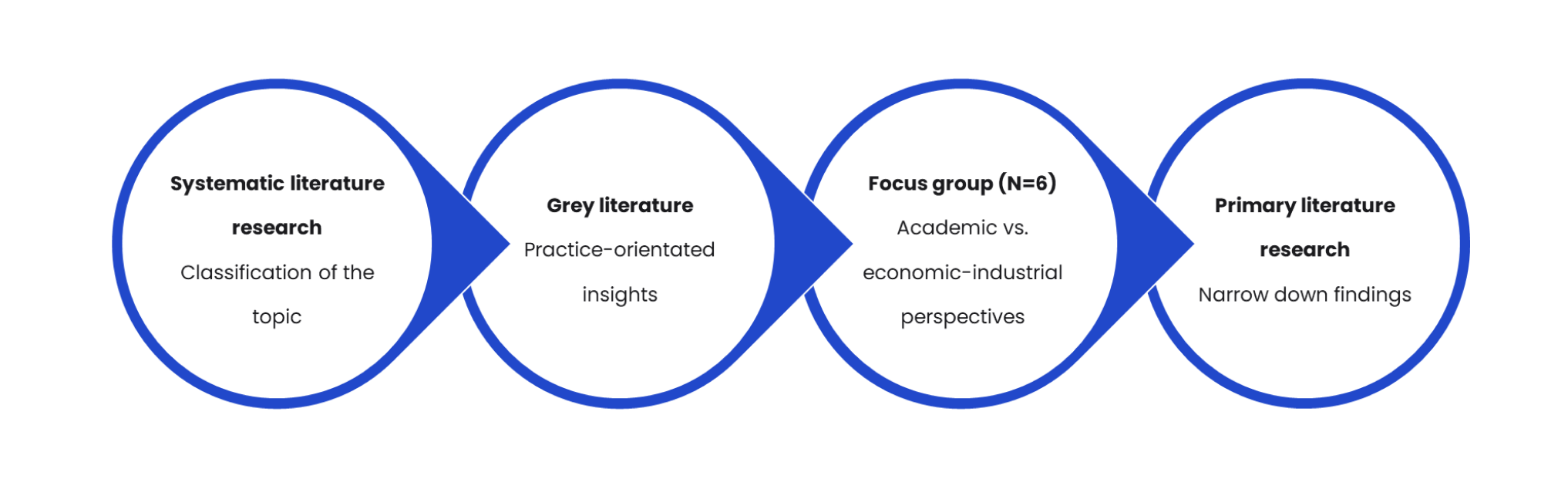
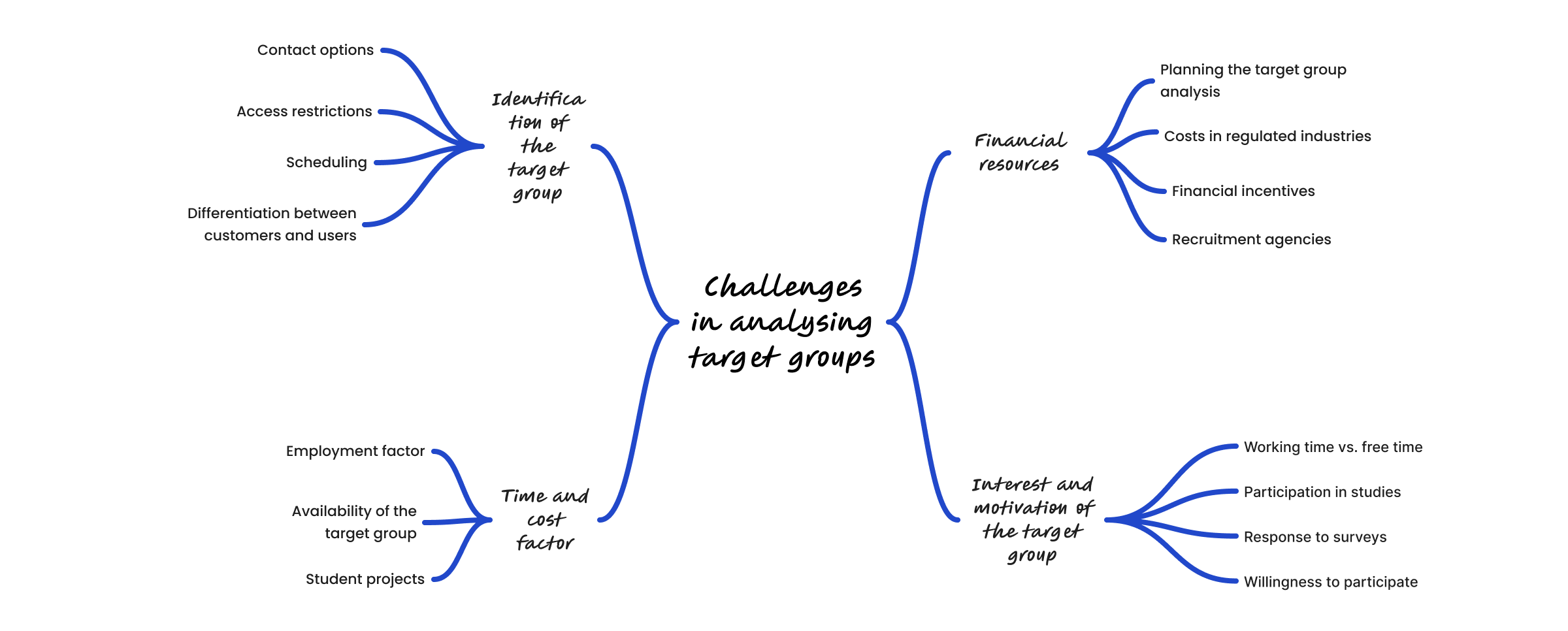
Reaching and engaging the right audience is complex, requiring significant time and resources. The asynchronous nature of the tool added to this challenge, as users needed to navigate it without direct guidance. Budget and time limitations restricted both the tool’s development and user testing scope, impacting the iterative feedback cycle needed for an optimized design. Engaging users with an asynchronous tool required building clear user stories that communicated the tool’s benefits, making user engagement essential for success.
Requirements
Research Questions #2
What requirements must a tool meet to address these challenges effectively in target audience analysis?
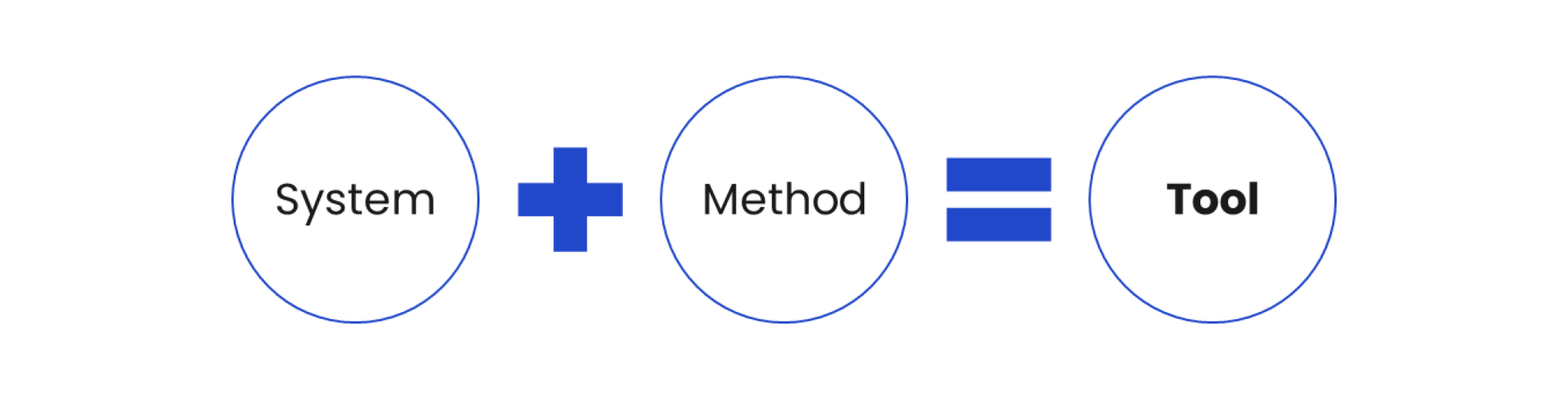
The approach centered on creating requirements that addressed these challenges by splitting them into two categories:
-
System Requirements included technical and functional elements, such as integrated feedback mechanisms, which allowed users to ask questions and receive tailored responses asynchronously.
-
Method Requirements emphasized asynchronous techniques and interactions, ensuring users could communicate their needs and capabilities without being present in real time.
To answer the second research question, these requirements were directly derived from the challenges outlined in Research Question 1, forming a foundation for the tool’s design.
Application
Research Questions #3
How can the requirements identified in Research Question 2 be addressed using an interactive CoCoA model?
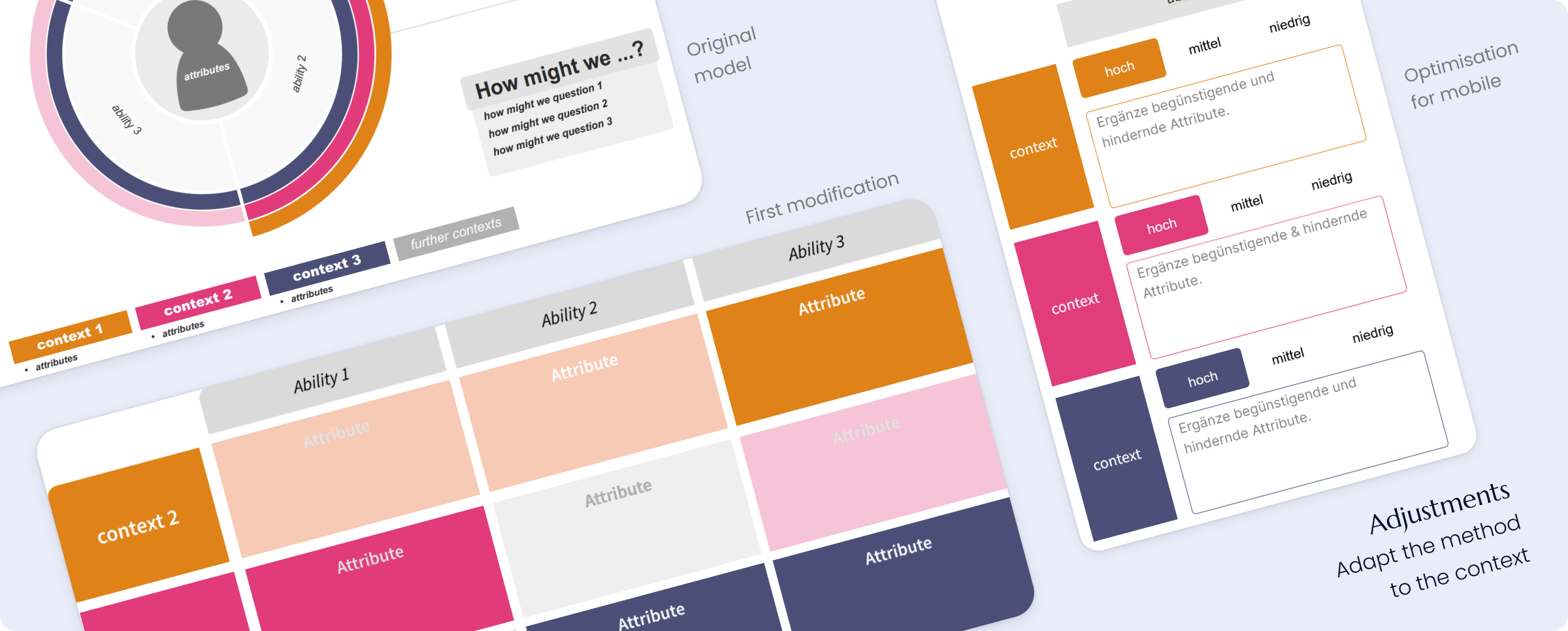
To address Research Question 3, the CoCoA model was integrated with Quant UX to structure the tool’s interactive framework. The implementation began by adapting the CoCoA model through several iterative steps. The core element was creating a matrix to represent Ability-Context Relations. This nuanced approach allows the tool to cater to diverse user needs by dynamically modeling abilities in relation to different environmental and situational factors.
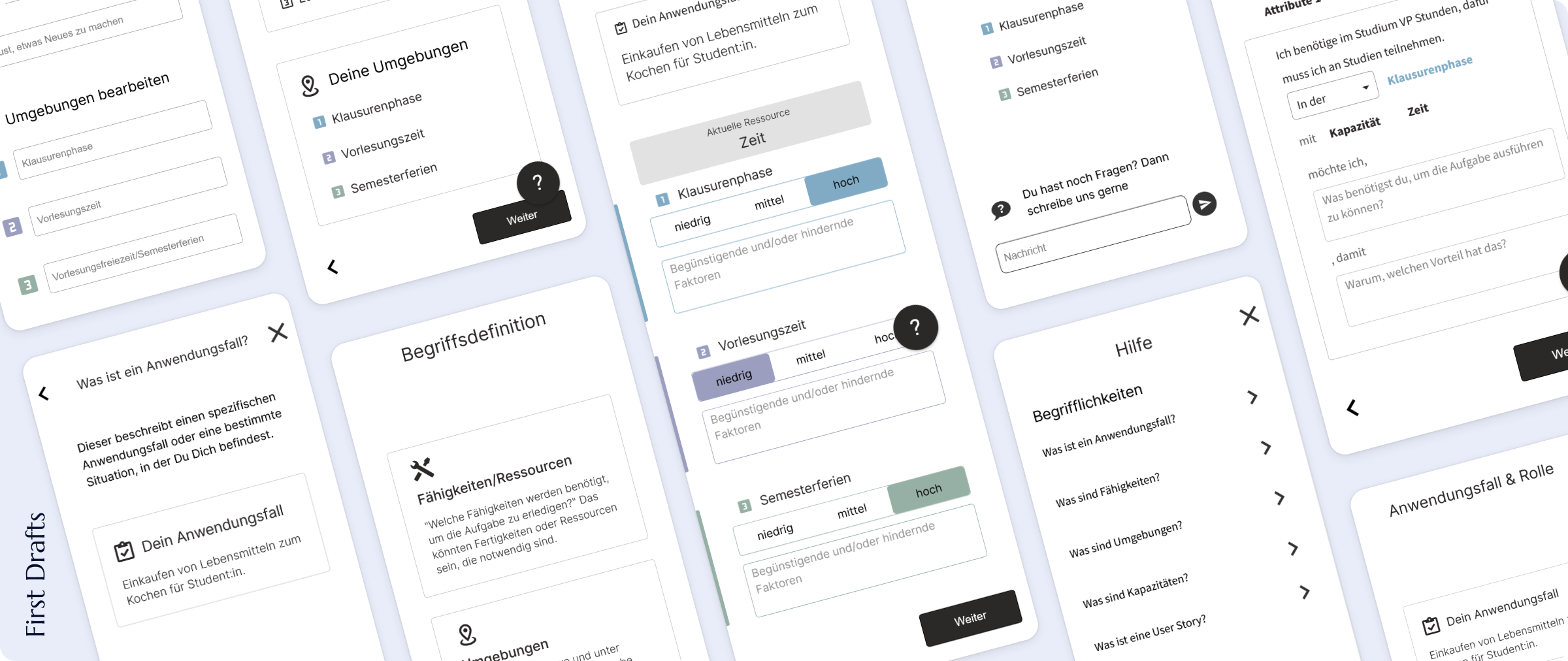
Quant UX’s support for asynchronous feedback further enhanced the ability to observe user behaviors over time without direct interaction. The tool’s survey components and live test replay capabilities were essential in analyzing user feedback, enabling iterative adjustments to the design in response to real-world user input.
6 Students from different backgrounds
Think-Aloud Method & Questionare
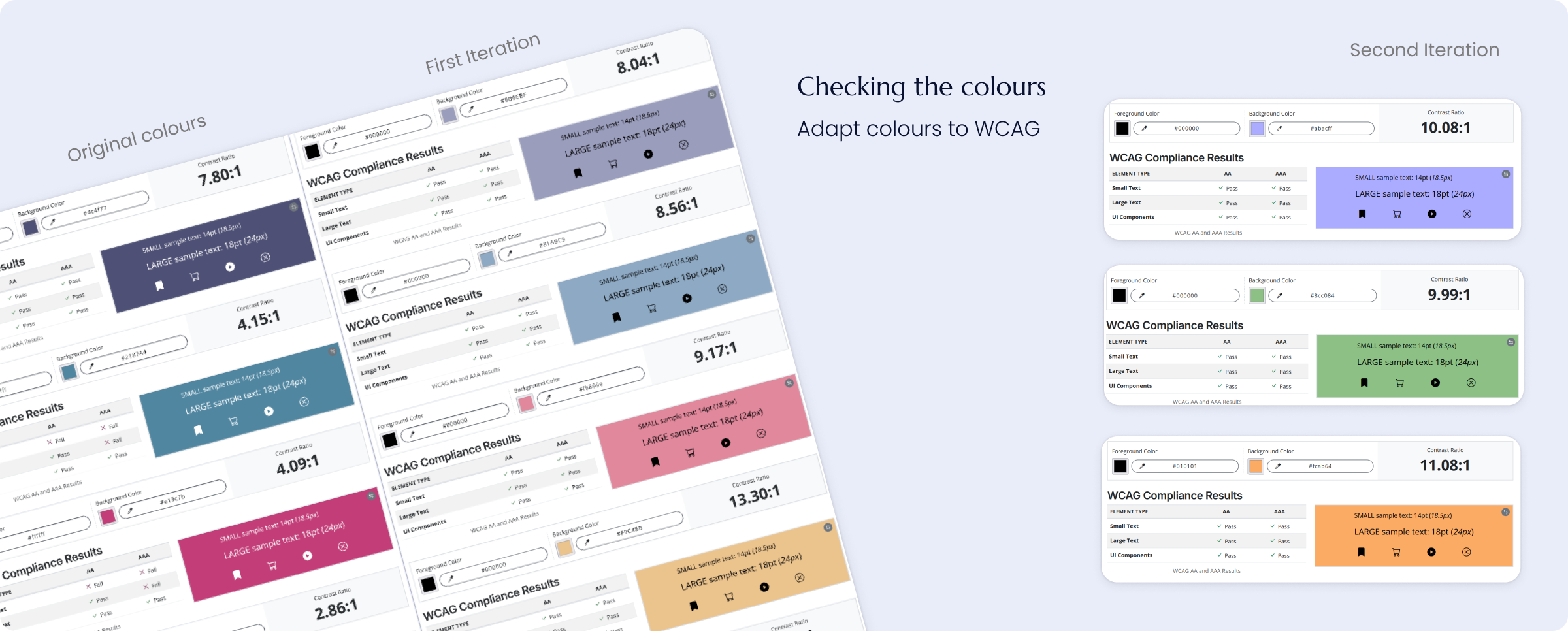
In addition, Ability-Based User Stories were crafted using a template approach, which included fill-in-the-blank sections within Quant UX. This method allowed participants to articulate their needs based on their abilities and context, providing more structured yet flexible inputs.
Iterative Evaluation Process
An iterative evaluation process was conducted in both asynchronous and synchronous modes to simulate real-world use and identify the tool’s strengths and areas for improvement.
6 Students from different backgrounds
asynchronous and synchronous modes
These evaluations included testing simplified Ability-Based User Stories with users and reviewing changes with facilitators.
3 Experts who already knew the CoCoA tool
Workshop Szeanrio
Key Learnings
Learning #1
Research enables the groundwork
Thorough research lays a solid foundation for success by uncovering user needs, market trends, and potential risks. It ensures clarity, focus, and informed decision-making.
Learning #2
Close alignment with the user is important
Continuous user engagement ensures the product meets expectations, builds trust, and fosters stronger adoption through iterative feedback and collaboration.
The project received a grade of 1.0.